
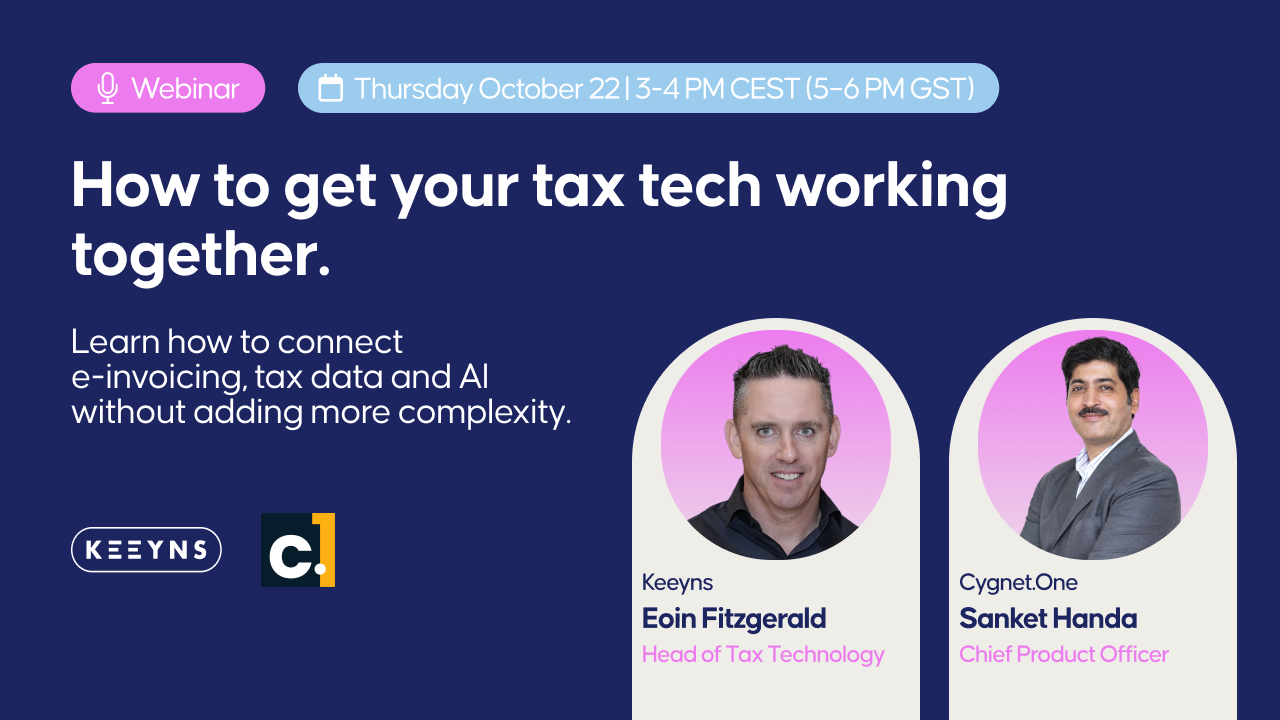
Live webinar
How to get your tax tech working together
Join us Oct 22nd
Glossary / Pillar 2
Pillar 2 (Global Anti-Base Erosion rules) addresses digitalisation tax challenges by ensuring large multinational enterprises pay minimum tax levels in operating jurisdictions.
Pillar 2 establishes 15% minimum tax rates for Multi National Enterprises (MNE) with €750+ million annual revenues, preventing "race to the bottom" competitive tax reduction. GloBE (Global Anti-Base Erosion rules) rules operate through top-up tax mechanisms. When MNE effective tax rates (ETR) fall below 15% in jurisdictions, parent companies pay top-up taxes reaching minimum levels. This creates level playing fields and reduces profit-shifting incentives to low-tax jurisdictions. The impact fundamentally changes international taxation, affecting MNE operational structures and tax liability management.
ETR Calculation: Complex calculations of covered taxes and qualifying income per jurisdiction.
Data Management: Gathering and managing extensive global operational data for ETR calculations and reporting.
GloBE Rules Understanding: Staying current with evolving, complex rules subject to changes.
Top-Up Tax Implementation: Understanding income inclusion rules (IIR), undertaxed profits rules (UTPR), and qualified domestic minimum top-up tax (QDMTT).
Impact Assessment: Thorough assessments understanding potential financial implications for strategic planning.
Our platform manages Pillar 2 complexities by centralising data and documents, enabling efficient ETR calculations and compliance monitoring. Global team collaboration ensures consistent GloBE rule application. Need robust Pillar 2 navigation and accurate documentation? Explore our solutions at https://keeyns.com/solutions.