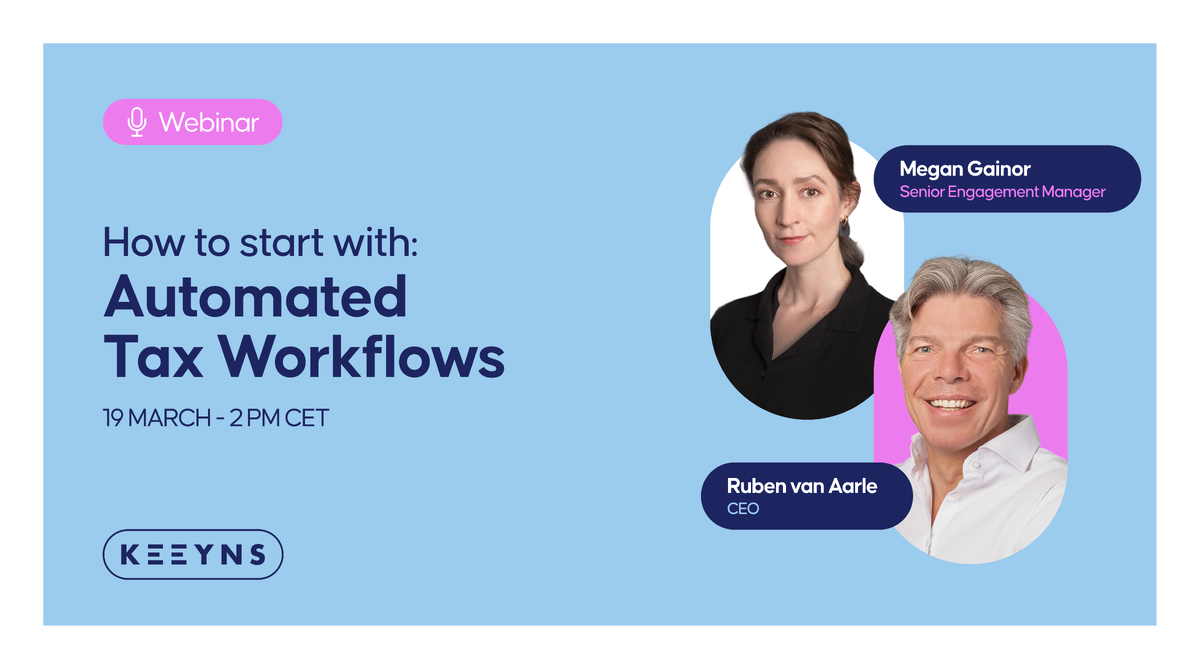
Starting with Automated Tax Workflows
Find everything you need to know!
Glossary / Tax Control Framework
A structured system of controls and processes that organizations use to identify, manage, and monitor tax risks on an ongoing basis. A Tax Control Framework translates tax governance principles into practical day-to-day operations, with defined responsibilities, documented procedures, and regular testing to ensure tax compliance and reduce audit risk.
A Tax Control Framework (TCF) is a structured system of controls designed to ensure tax risks are identified, managed, and monitored effectively. It translates tax governance principles into practical, day-to-day processes.
TCFs are increasingly required or expected by tax authorities in many jurisdictions, particularly for large or multinational organisations. They support cooperative compliance models and reduce the likelihood of audits, penalties, and disputes.
• Identification of tax risks across all tax types
• Defined controls to mitigate identified risks
• Clear roles and responsibilities within the tax function
• Documented processes and decision-making
• Ongoing monitoring, testing, and improvement
A strong TCF is not static. It evolves alongside the business, regulatory changes, and operational complexity.
Keeyns helps tax teams design, implement, and operate Tax Control Frameworks in a practical way. Our platform enables clear workflows, documented controls, audit trails, and central oversight across all entities and tax topics. This allows organisations to demonstrate control, support cooperative compliance, and reduce risk. Learn more at https://keeyns.com/solutions